









































Size Guide
Most of our boots fit true to size, but some styles run large or small. Use this guide for general sizing, and check the Fit Guide on each product page for the best fit in that style.
Men's Sizing
Most of our men’s boots fit true to size, but some styles run large or small. Before you order, check the Fit Guide on the product page for that style’s sizing.
Width guide
Determining your size
Is a little heel slip normal?
Yes. New boots usually lift slightly at the heel because the sole is still stiff. As the sole flexes with wear, the slip settles. If your heel rises well out of the boot with every step, the boot is too big.
How snug should the instep be?
Held firmly, but never painful. The leather over the top of your foot relaxes as you wear it. If you can't get your foot in, or it aches within a few minutes, the boot is too small.
How do I break in new boots?
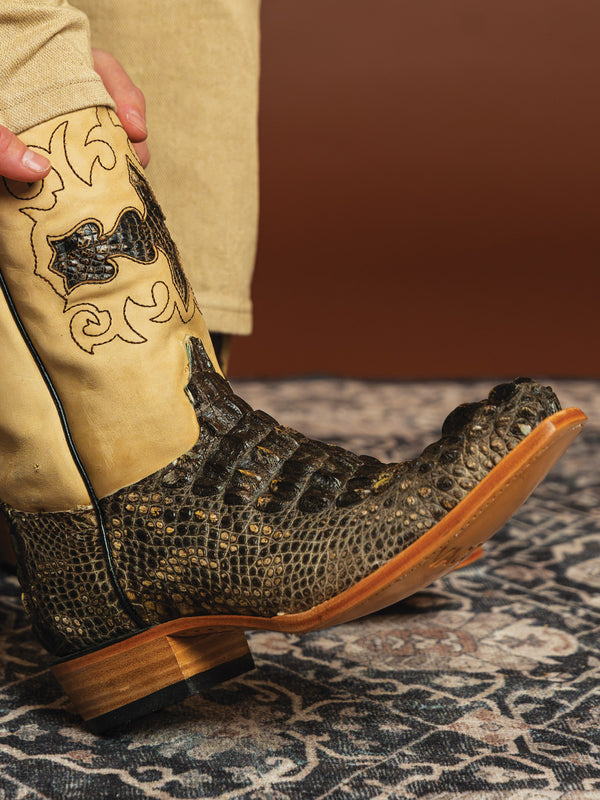
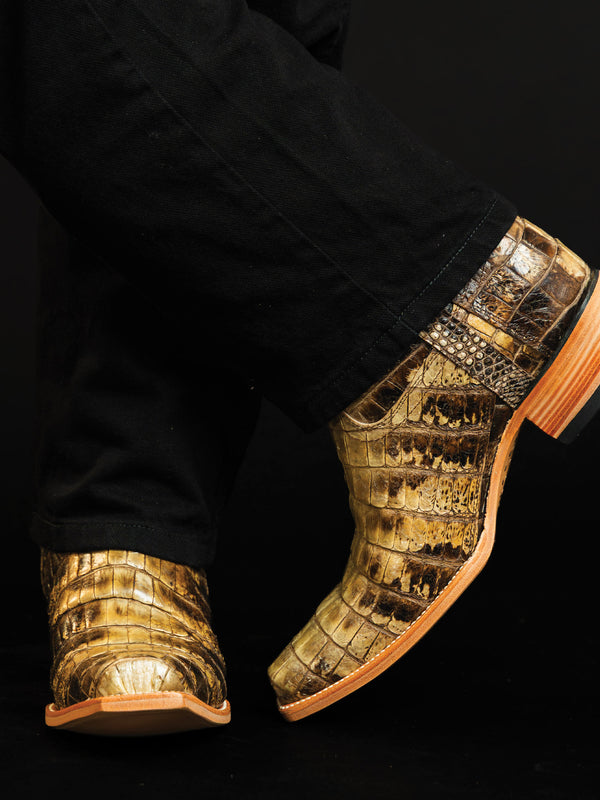
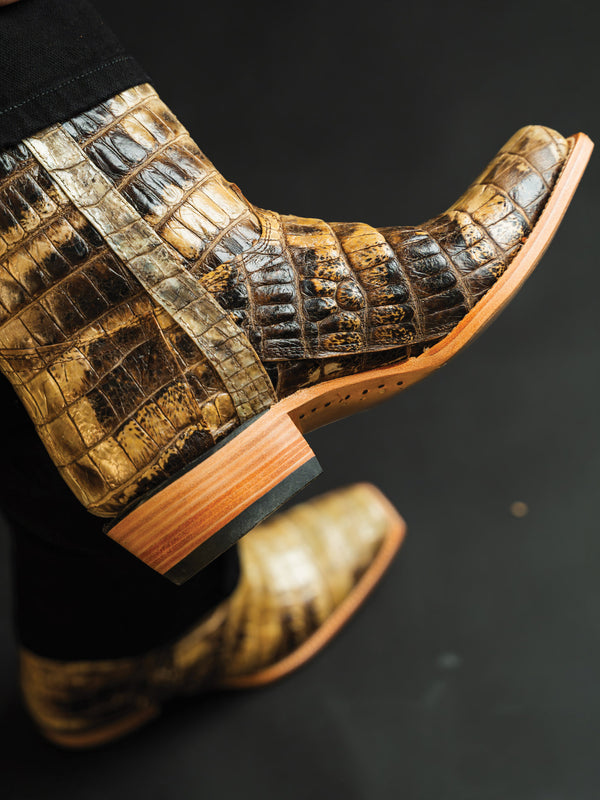
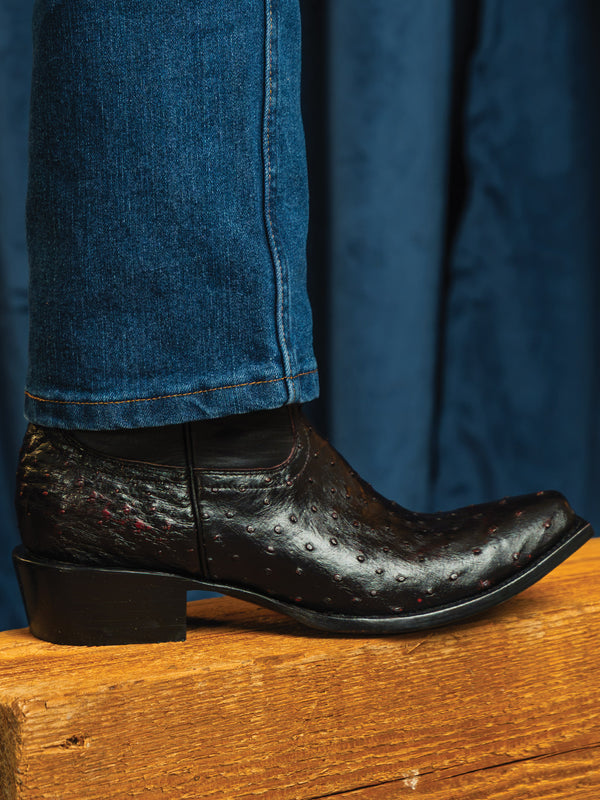
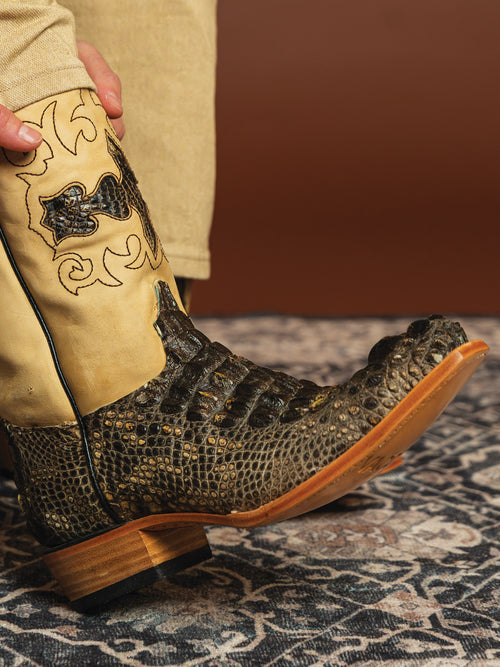
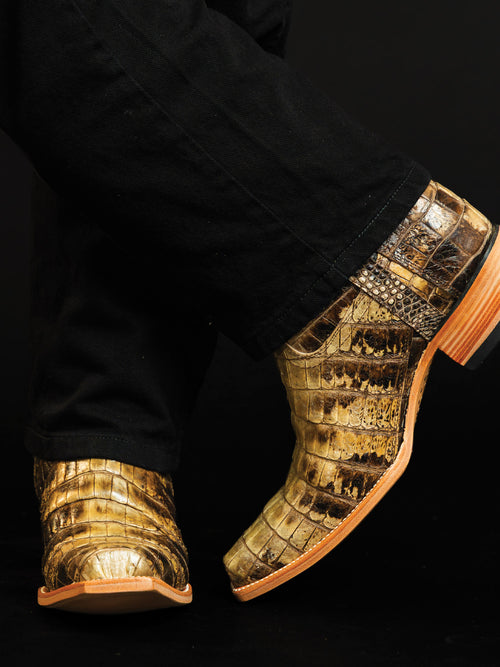
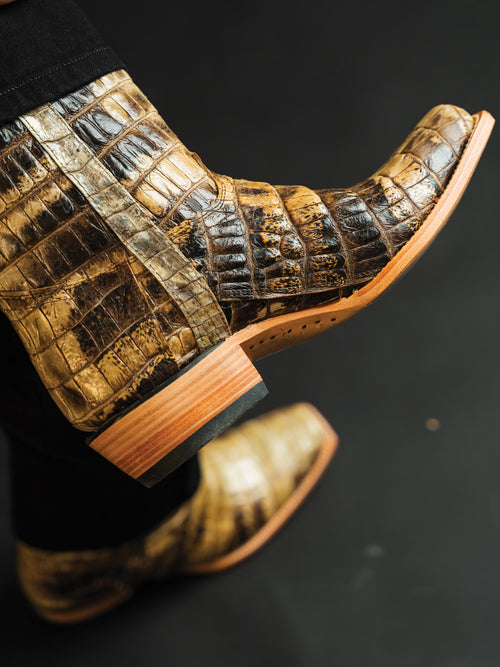
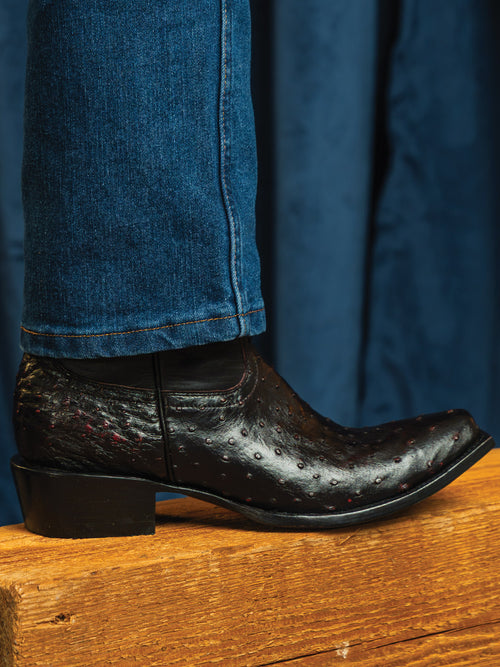
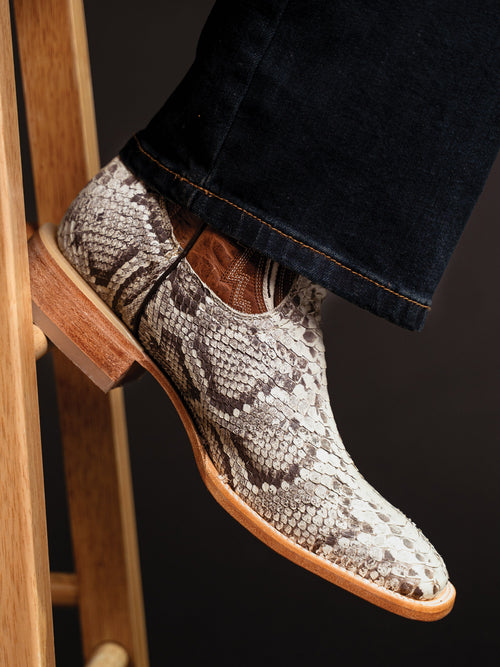
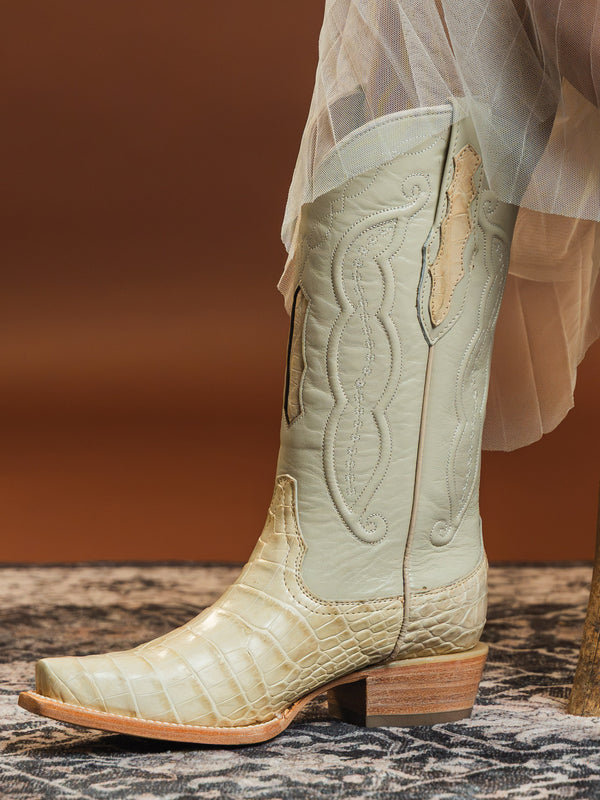
Wear them around the house for a few hours at a time over the first week or two. The warmth of your foot softens the leather so it shapes to you. Exotics like alligator and ostrich stretch less than smooth leather or suede, so they should feel right from the first wear.
How your boots should fit

- Snug over the instep
- A little lift at the heel
- Room to move your toes
Women's Sizing
Most of our women’s boots fit true to size, but some styles run large or small. Before you order, check the Fit Guide on the product page for that style’s sizing.
Width guide
Determining your size
Is a little heel slip normal?
Yes. New boots usually lift slightly at the heel because the sole is still stiff. As the sole flexes with wear, the slip settles. If your heel rises well out of the boot with every step, the boot is too big.
How snug should the instep be?
Held firmly, but never painful. The leather over the top of your foot relaxes as you wear it. If you can't get your foot in, or it aches within a few minutes, the boot is too small.
How do I break in new boots?
Wear them around the house for a few hours at a time over the first week or two. The warmth of your foot softens the leather so it shapes to you. Exotics like alligator and ostrich stretch less than smooth leather or suede, so they should feel right from the first wear.
How your boots should fit
- Snug over the instep
- A little lift at the heel
- Room to move your toes
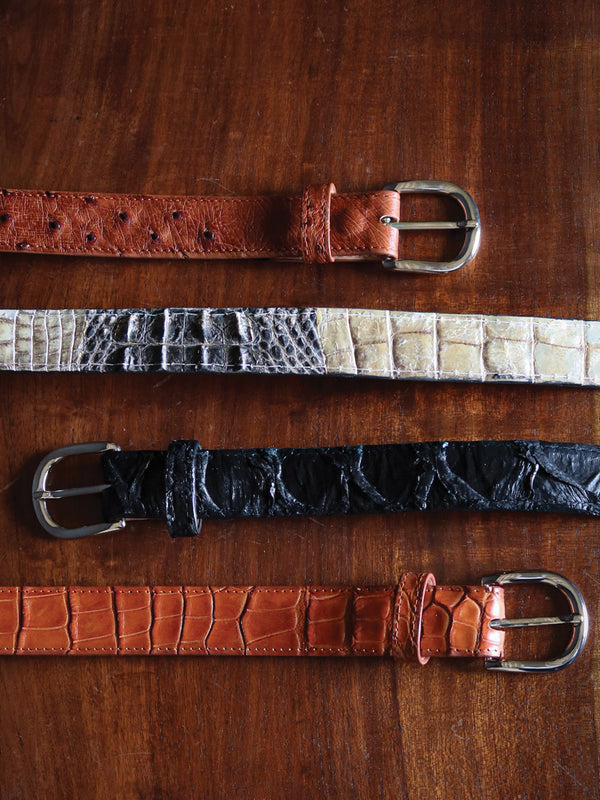
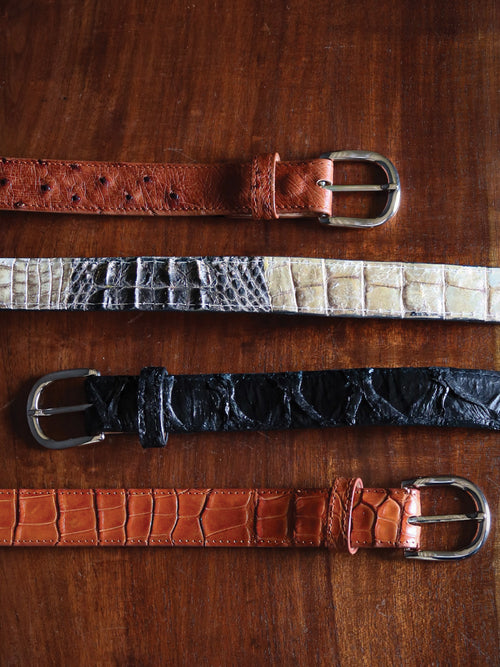
Belt Sizing
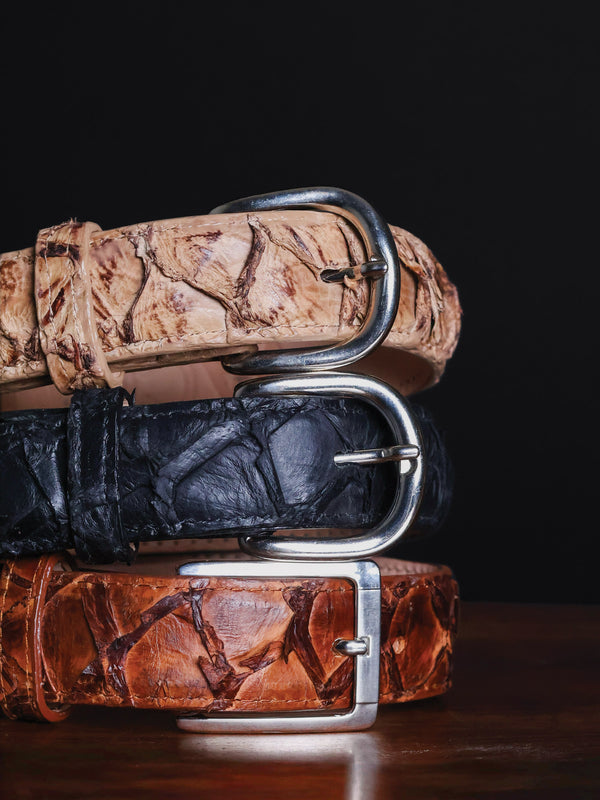
Runs small, See Fit Guide For Your Recommended Size
How to measure
Measure around your waist where you wear your belt, over your jeans. Then find that number in the chart below.
Size chart
| Waist (inches) | Belt Size |
|---|---|
| 26 | 30" |
| 28 | 32" |
| 30 | 34" |
| 32 | 36" |
| 34 | 38" |
| 36 | 40" |
| 38 | 42" |
| 40 | 44" |
| 42 | 46" |
| 44 | 48" |
Determining your size
Why is my belt size bigger than my waist?
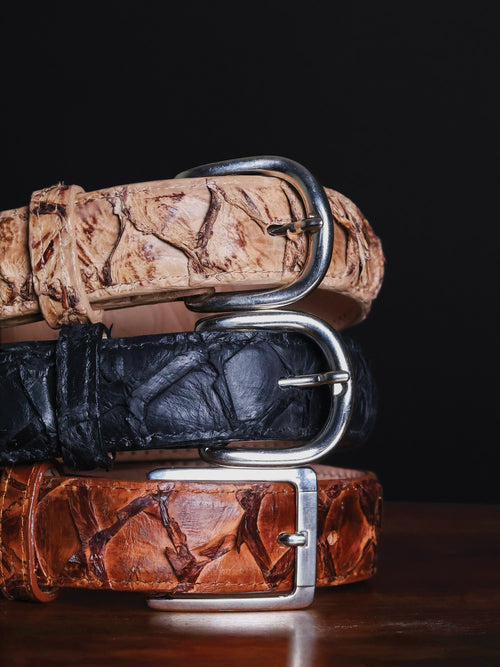
Our belts run small, so your belt size is two sizes (4 inches) above your waist. A 32" waist takes a 36" belt.
Need a different size?
Exchanges are simple. See our Returns & Exchanges policy for how they work.
Still not sure? Contact us and we'll help you find your size.
