


































Materials & Care

Every Vaccari boot starts with a hide chosen for its character. Here's what makes each one different, and how to keep it looking its best for years.

Boots
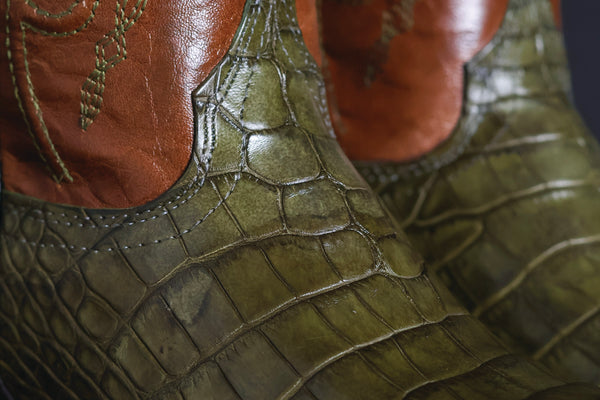
American Alligator
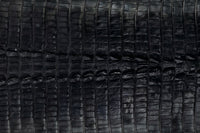
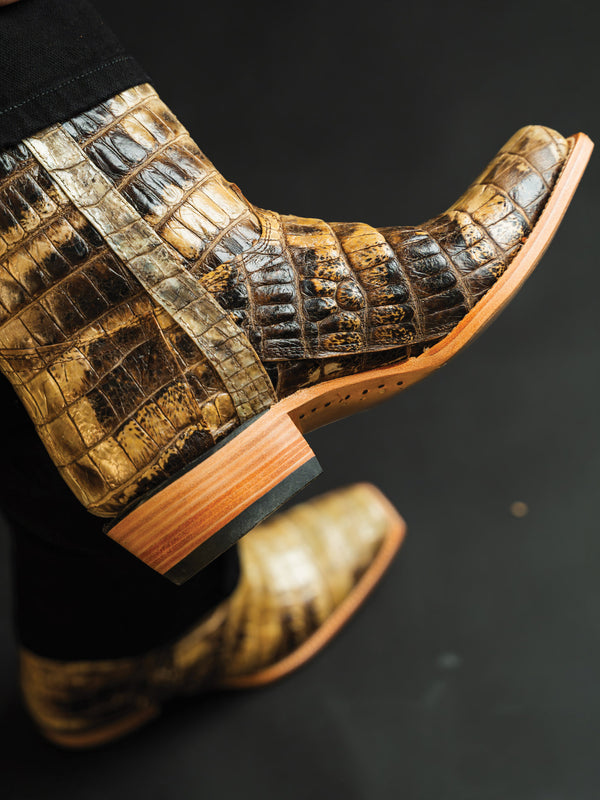
American Alligator Hornback Tail
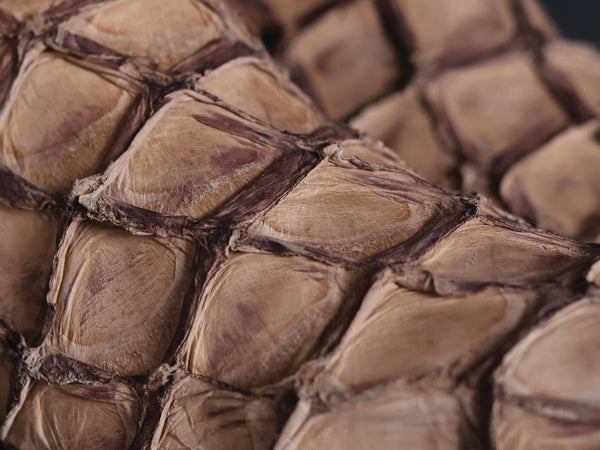
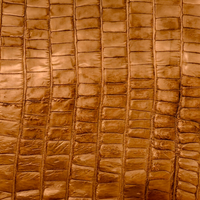
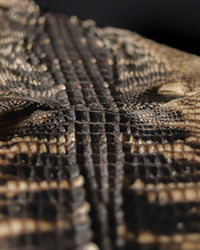
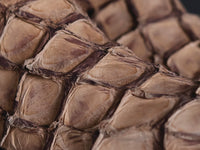
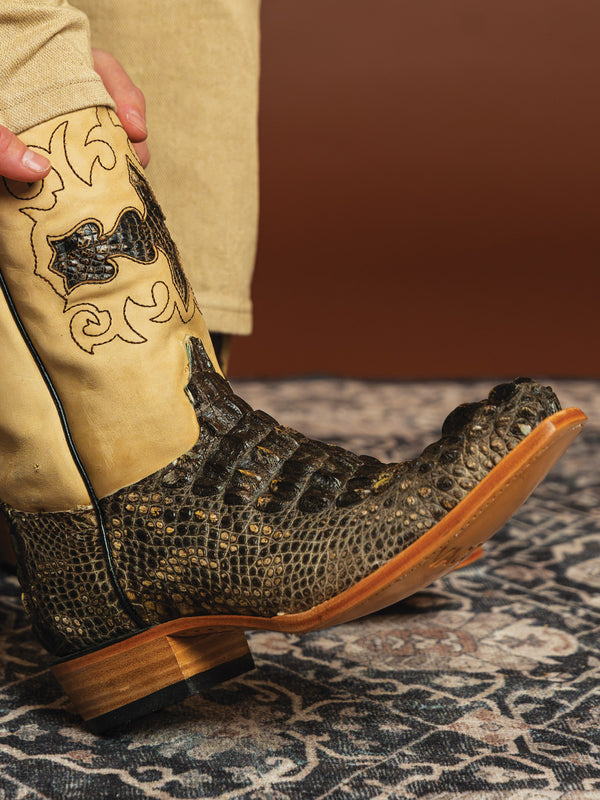
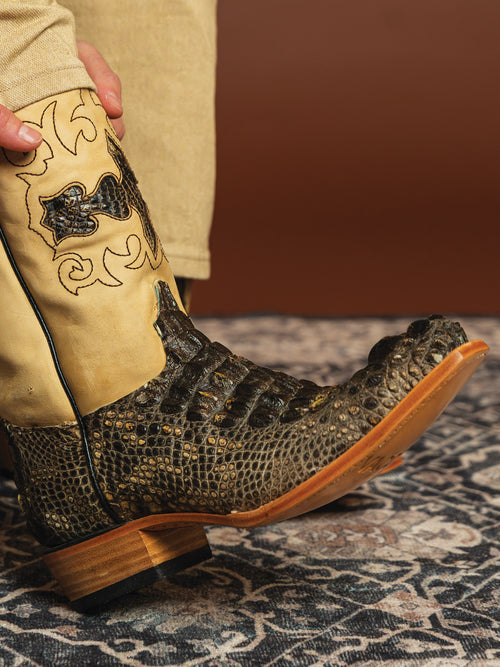
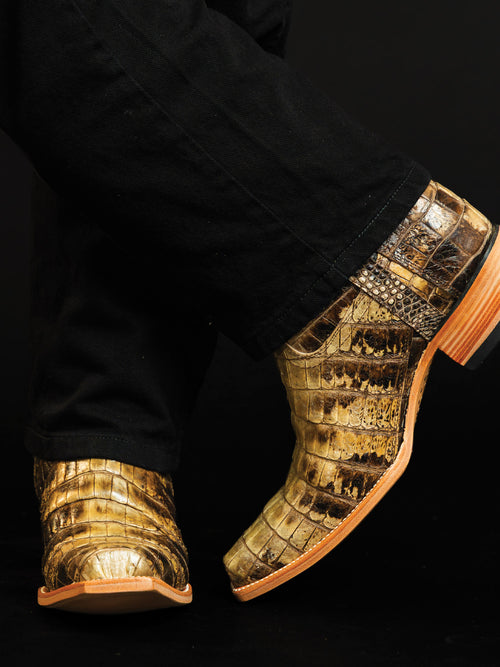
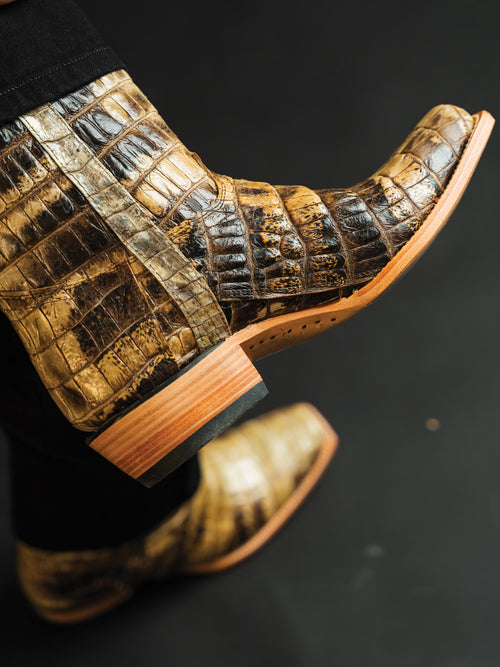
Hornback tail is distinguished by pronounced, bony scutes that follow the natural contours of the alligator's tail, creating a richly dimensional surface. The raised ridges and surrounding scales change in size and arrangement along the hide, producing a directional pattern with remarkable depth and movement. Its sculptural texture brings a bold, unmistakable character to this distinctive expression of American alligator.

Caring for your boots

Hornback tail is cut from the top of the alligator's tail, where a narrowing row of raised ridges runs toward the tip. It pairs the dramatic texture of hornback with the tapered tile pattern of tail cut.

Clean

  • Remove dust and dirt with a soft horsehair brush, following the length of the tail pattern.
  • Use a small, soft detail brush around the base of each ridge, where dust and dirt settle.
  • For dirt that won't brush off, wipe gently with a barely dampened cloth, then let the boots air dry at room temperature.
  • Never soak the boots or dry them with heat.

Condition

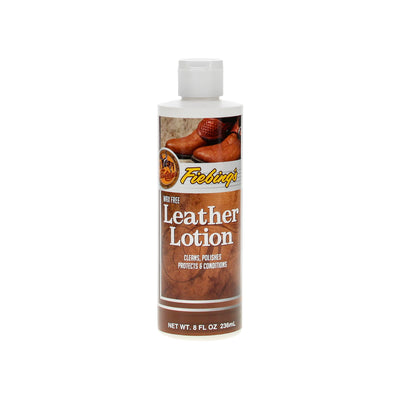
  • Every few months, depending on how often you wear them, apply a conditioner made for exotic or reptile leather.
  • Work a small amount between the ridges and into the creases of the smaller tiles toward the tip.
  • Give it a few extra minutes to absorb, since tail hide is thicker. Then wipe away any excess at the base of the ridges and buff to a shine.
  • Protect the ridges from knocks against hard surfaces, and avoid saddle soap, mink oil, silicone sprays and household cleaners.
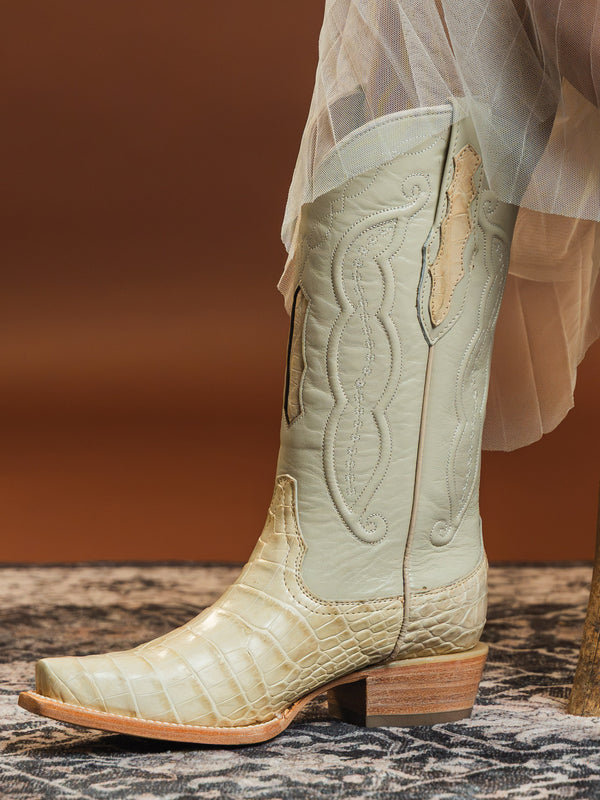
American Alligator Belly

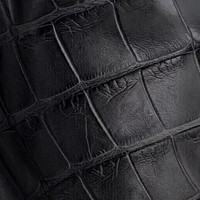
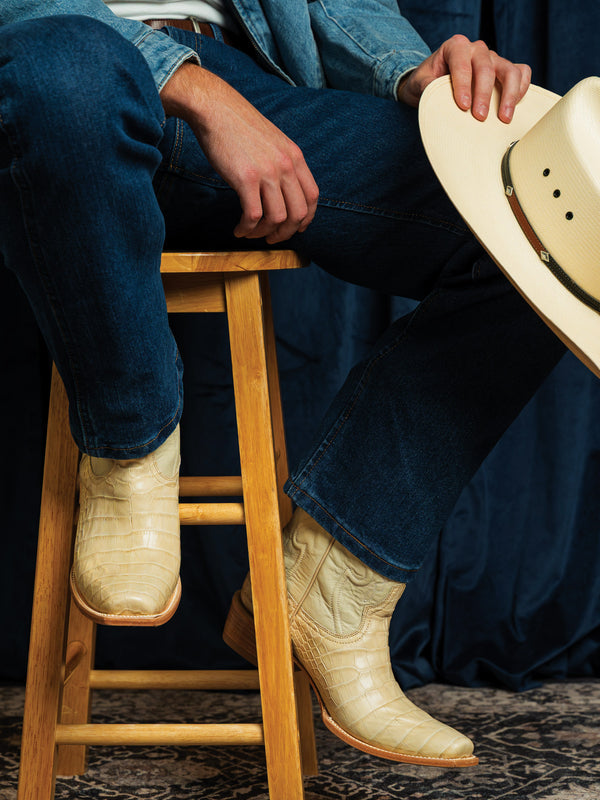
American alligator belly is prized for its smooth, naturally ordered scales and refined pattern. Its supple texture allows the leather to move comfortably with the boot while maintaining the clean, balanced appearance that makes this cut so desirable. The result is an unmistakable expression of exotic luxury, distinguished by its symmetry, softness, and individual character.

Caring for your boots

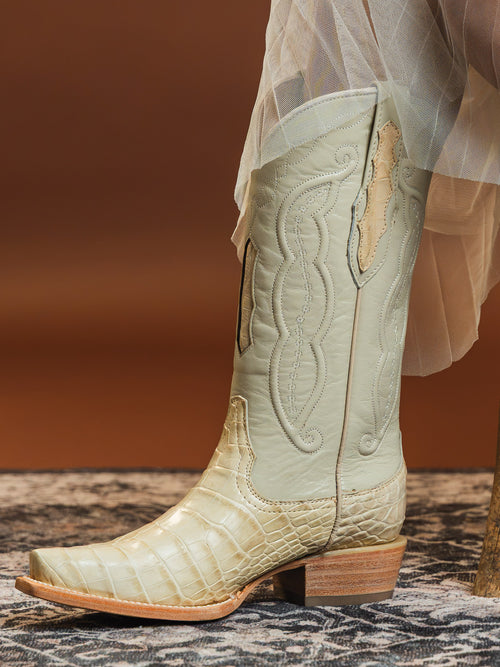
Belly cut American alligator has smooth, rectangular tiles and a glazed finish that brings out the hide's natural shine. It's one of the most hard-wearing exotic leathers, and with regular care it keeps its polish for years.

Clean

  • Remove dust and dirt with a soft horsehair brush.
  • Wipe gently along the tiles with a barely dampened cloth. Pay extra attention to the creases between the tiles, where dirt tends to collect.
  • Let the boots air dry at room temperature.
  • Never soak the boots or dry them with heat. Heat can dry out the hide and crack the tiles.

Condition

  • Every few months, depending on how often you wear them, apply a conditioner made for exotic or reptile leather.
  • Use a small amount on a soft cloth and work it into the creases between the tiles, especially across the vamp, where the boot flexes.
  • Let it absorb for a few minutes, then buff with a clean, soft cloth to bring back the shine.
  • Test on a small, hidden area first, and avoid saddle soap, mink oil, silicone sprays and household cleaners.

Recommended care

Head Cut American Alligator

Head cut alligator reveals an intricate arrangement of scales, irregular contours, and distinctive markings that give the hide its remarkable character. Variations in scale size and shape create a richly detailed surface, with a pattern unique to each individual selection. Carefully positioned within the design, these distinctive features bring exceptional texture and individuality to the finished pair.

Caring for your boots

Head cut American alligator comes from the top of the head, where small, irregular scales and bony ridges create one of the most textured patterns in exotic leather. Because the scales are tightly packed, the grooves between them need a little extra attention.

Clean

  • Remove dust with a soft horsehair brush, then use a small, soft detail brush to lift dirt from the grooves between the scales.
  • Use light, short strokes, since the scales don't all run in one direction.
  • For dirt that won't brush off, wipe gently with a barely dampened cloth, then let the boots air dry at room temperature.
  • Never soak the boots or dry them with heat.

Condition

  • Every few months, depending on how often you wear them, apply a conditioner made for exotic or reptile leather. Use less than you would on a smoother cut.
  • Work it in with a soft cloth or small brush, then wipe the grooves so no product is left sitting in them.
  • Buff the raised scales to a shine.
  • Test on a small, hidden area first, and avoid saddle soap, mink oil, silicone sprays and household cleaners.
Hornback American Alligator

Hornback alligator is distinguished by the pronounced, bony scutes that run along the animal's back, creating a sculptural surface with remarkable dimension. Variations in ridge height, shape, and arrangement give each hide its own distinctive character, with depth that becomes more apparent from every angle. Its bold texture creates an unmistakable expression of exotic leather, defined by its commanding presence and extraordinary detail.

Caring for your boots

Hornback American alligator is cut from the back of the hide, where rows of raised, bony ridges create its bold, dimensional texture. The ridges are the toughest part of the hide, while the softer leather between them needs regular care to stay supple.

Clean

  • Remove dust and dirt with a soft horsehair brush.
  • Use a small, soft detail brush around the base of each ridge, where dust and dirt settle.
  • For dirt that won't brush off, wipe gently with a barely dampened cloth, then let the boots air dry at room temperature.
  • Never soak the boots or dry them with heat. Heat can dry out the leather between the ridges and cause cracking.

Condition

  • Every few months, depending on how often you wear them, apply a conditioner made for exotic or reptile leather.
  • Work a small amount into the leather between the ridges with a soft cloth or small brush.
  • Wipe away any conditioner that collects at the base of the ridges, then buff the tops of the ridges to a shine.
  • Avoid knocking the ridges against hard surfaces, since deep scuffs on the raised scales can't always be buffed out. Skip saddle soap, mink oil, silicone sprays and household cleaners.
American Alligator Tail

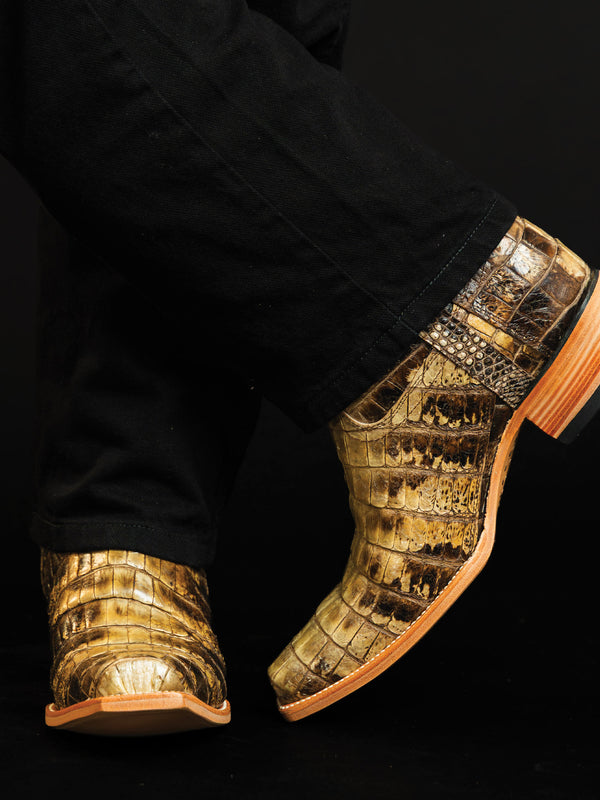
American alligator tail is distinguished by its elongated scales and directional pattern, creating a distinctive sense of movement across the leather. Changes in scale size and arrangement reveal the individual character of each hide, bringing texture and visual depth to the surface. Its striking pattern offers an expressive interpretation of exotic leather with unmistakable western appeal.

Caring for your boots

Tail cut American alligator features rows of tiles that taper along the length of the tail, with a slightly firmer feel than belly cut. The hide is naturally thick and durable, and regular conditioning keeps it flexible where the boot bends.

Clean

  • Remove dust and dirt with a soft horsehair brush, following the rows of tiles.
  • For dirt that won't brush off, wipe gently with a barely dampened cloth, working into the narrow creases between the smaller tiles.
  • Let the boots air dry at room temperature.
  • Never soak the boots or dry them with heat. Heat can dry out the hide and crack the tiles.

Condition

  • Every few months, depending on how often you wear them, apply a conditioner made for exotic or reptile leather.
  • Work a small amount in with a soft cloth, focusing on the vamp, where the firmer hide creases as you walk.
  • Tail hide is thicker than belly, so give the conditioner a few extra minutes to absorb before buffing to a shine.
  • Test on a small, hidden area first, and avoid saddle soap, mink oil, silicone sprays and household cleaners.
Natural American Alligator

Natural American alligator showcases the hide's original coloration, individual markings, and distinctive scale patterns without a uniform dyed finish. Subtle variations in tone and texture reveal the remarkable individuality of each selection, allowing the material's inherent beauty to define the design. Exceptionally rare and truly one of a kind, every pair is a distinctive expression of one of the world's most coveted exotic leathers.

Caring for your boots

Natural American alligator has a matte finish that shows the hide's true character. Because it's left unglazed, it's more absorbent than polished alligator, and over time it develops a rich, natural patina that's unique to every pair.

Clean

  • Remove dust and dirt with a soft-bristled brush.
  • Always brush in the direction of the scales. Brushing against them can lift the scale edges and wear the finish.
  • For dirt that won't brush off, wipe gently with a barely dampened cloth, then let the boots air dry at room temperature.
  • Never soak the boots or dry them with heat. Heat can dry out and crack the scales.

Condition

  • Every few months, depending on how often you wear them, apply a conditioner made for exotic or reptile leather. Choose one that won't add shine, to keep the natural matte finish.
  • Use a small amount on a soft cloth and work it in along the direction of the scales. Buff away any excess.
  • Always test on a small, hidden area first. The natural finish absorbs product easily, and some conditioners can darken the color.
  • Avoid polish, heavy oils, waxes, and household cleaners.

Recommended care

Patchwork American Alligator

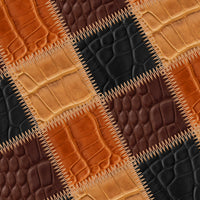
Patchwork American alligator brings together hand-pieced sections from multiple cuts of the hide, creating a distinctive composition of scales and textures. Each piece is carefully selected and arranged to highlight the individual characteristics of the leather while creating a cohesive design. The result is a richly detailed expression of genuine American alligator, with a pattern and character unique to every pair.

Caring for your boots

Genuine American alligator is naturally durable. With a little care, your boots will keep their shine and character for years.

Clean

  • Remove dust and dirt with a soft-bristled brush.
  • Always brush in the direction of the scales. Brushing against them can lift the scale edges and dull the finish.
  • For dirt that won't brush off, wipe gently with a lightly dampened cloth, then let the boots air dry at room temperature.
  • Never use heat, like a hair dryer or heater, to speed up drying. Heat can dry out and crack the scales.

Condition

  • Every few months, depending on how often you wear them, apply a conditioner made for exotic or reptile leather.
  • Use a small amount on a soft cloth and work it in along the direction of the scales. Buff away any excess.
  • Test on a small, hidden area first. Some products can darken the color.
  • Avoid heavy oils, waxes, and household cleaners.
Wild Caught American Alligator Belly

Wild-caught alligator belly combines the smooth, balanced scale pattern of this coveted cut with the distinctive markings developed throughout the animal's life in the wild. Its supple texture and refined appearance are complemented by subtle irregularities that reveal the individual character of each hide. Every selection tells its own story, creating an exotic distinguished by its authenticity, natural beauty, and unmistakable individuality.

Caring for your boots

Wild caught American alligator belly carries the marks of life in the wild, like small scars and natural variations from tile to tile. These details are signs of authenticity, not flaws, and the glazed finish protects them while showing off the hide's shine.

Clean

  • Remove dust and dirt with a soft horsehair brush, working along the rows of tiles.
  • For dirt that won't brush off, wipe gently with a barely dampened cloth, then let the boots air dry at room temperature.
  • Don't try to sand, fill or polish out natural marks. They're part of the hide and don't affect how the boots wear.
  • Never soak the boots or dry them with heat.

Condition

  • Every few months, depending on how often you wear them, apply a conditioner made for exotic or reptile leather.
  • Use a small amount on a soft cloth and work it into the creases between the tiles. Natural marks can absorb a little more product, so keep the coat thin and even.
  • Buff with a clean, soft cloth to bring back the shine.
  • Test on a small, hidden area first, and avoid saddle soap, mink oil, silicone sprays and household cleaners.

Ostrich

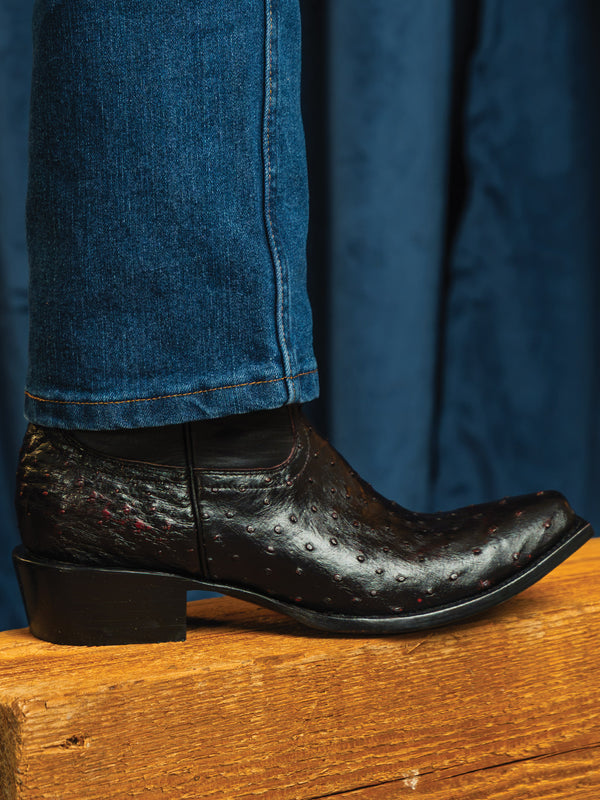
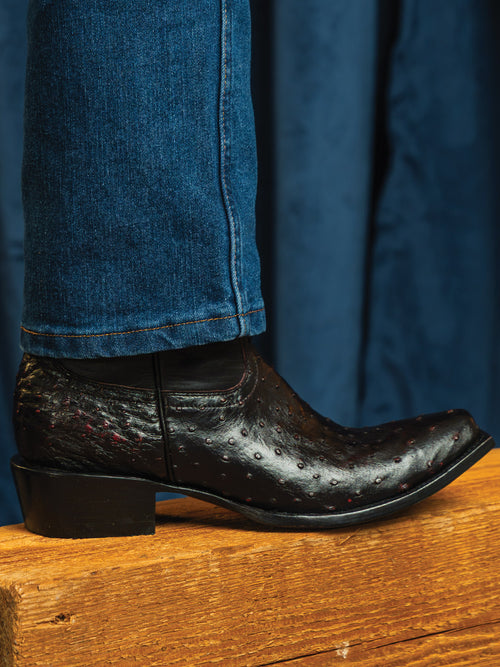
Full Quill Ostrich

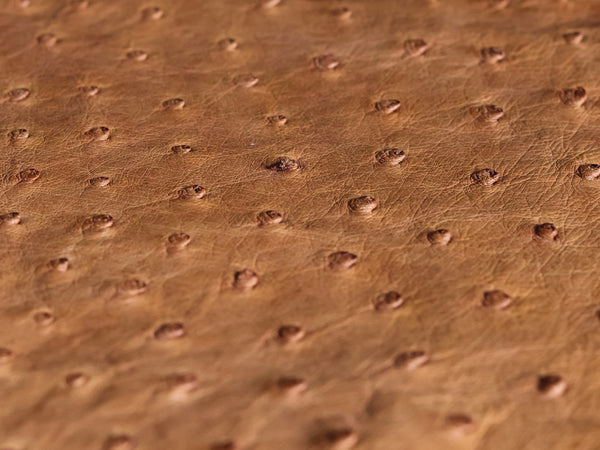
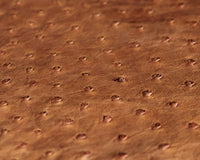
Full quill ostrich is celebrated for its distinctive raised follicles, creating the richly textured pattern that makes this exotic leather immediately recognizable. Exceptionally soft and supple, the leather moves comfortably with the foot while offering the durability and flexibility prized in western footwear. Natural variations in quill size and spacing give each hide its own character, bringing depth and individuality to every pair.

Caring for your boots

Ostrich is one of the softest and most durable exotic leathers. It's known for its distinctive quill pattern, and with regular care it only gets more supple over time.

Clean

  • Remove dust and dirt with a soft horsehair brush, using light, even strokes.
  • Brush gently around the quill bumps so dirt doesn't collect in them.
  • For dirt that won't brush off, wipe with a lightly dampened cloth, then let the boots air dry at room temperature.
  • Never use heat to speed up drying. Heat can stiffen the leather and cause cracking.

Condition

  • Every few months, depending on how often you wear them, apply a conditioner made for ostrich or exotic leather.
  • Ostrich has natural oils, so a little conditioner goes a long way. Use a small amount on a soft cloth and work it in with gentle circular motions.
  • Brush over the quill bumps afterward so no product is left sitting in them. Then buff to a soft sheen.
  • Test on a small, hidden area first, and avoid heavy oils, waxes, and household cleaners.
Ostrich Leg

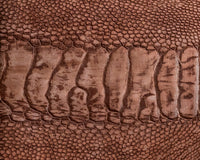
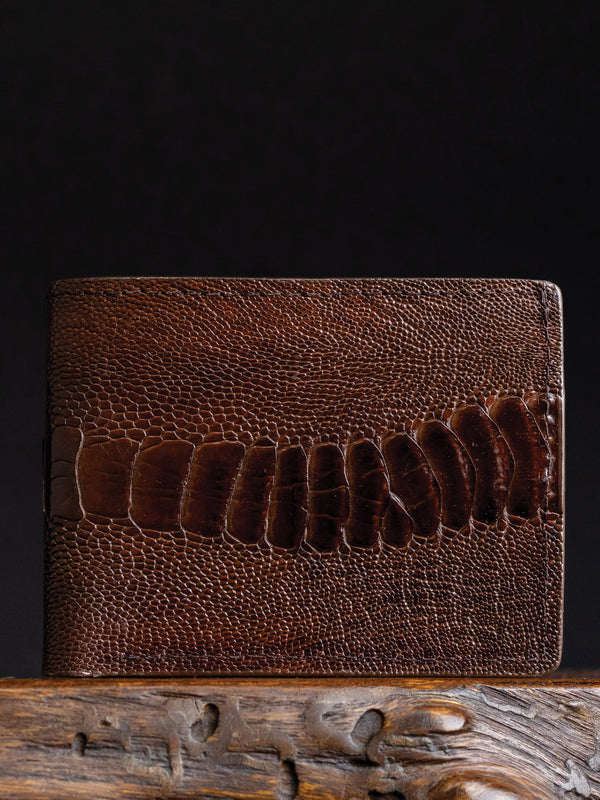
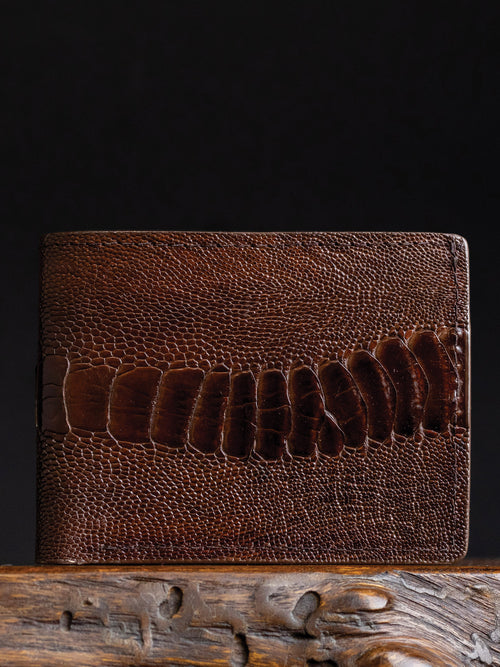
Ostrich leg is distinguished by its intricate arrangement of elongated scales, creating a richly textured surface with remarkable detail and definition. Variations in scale size, shape, and spacing give each hide its own distinctive pattern, with subtle contours that reveal depth from every angle. Its striking combination of texture and individual character creates a refined yet expressive interpretation of genuine exotic leather.

Caring for your boots

Ostrich leg comes from the lower leg of the bird, where overlapping scales create a bold pattern often compared to lizard. The scales are naturally hard-wearing, but they need regular conditioning to keep their edges from drying out and lifting.

Clean

  • Remove dust and dirt with a soft horsehair brush, always brushing in the direction of the scales. Brushing against them can lift the scale edges.
  • For dirt that won't brush off, wipe gently with a barely dampened cloth, following the scales.
  • Let the boots air dry at room temperature.
  • Never soak the boots or dry them with heat. Heat can dry out the scales and cause them to curl or crack.

Condition

  • Every few months, depending on how often you wear them, apply a conditioner made for exotic or reptile leather.
  • Use a small amount on a soft cloth and work it in along the direction of the scales, so it reaches the edges without lifting them.
  • Let it absorb, then buff lightly to bring back the shine.
  • Test on a small, hidden area first. Never use saddle soap, silicone polish, heavy oils or household cleaners on ostrich leg.

Recommended care

Smooth Ostrich

Smooth ostrich is prized for its fine natural grain, remarkably supple feel, and clean, refined appearance. Its soft, flexible character allows the leather to move comfortably with the foot, offering exceptional wearability in a classic western silhouette. Subtle variations in grain and texture bring individuality to each hide, creating a sophisticated expression of genuine exotic leather.

Caring for your boots

Smooth ostrich comes from the areas of the hide without quills, giving it a clean, fine grain with the same softness and strength ostrich is known for. With regular care it softens and develops a warm, natural luster over time.

Clean

  • Remove dust and dirt with a soft horsehair brush, using light, even strokes.
  • For dirt that won't brush off, wipe with a lightly dampened cloth, then let the boots air dry at room temperature.
  • Light scuffs often fade on their own with conditioning and buffing, so try that before anything stronger.
  • Never use heat to speed up drying. Heat can stiffen the leather and cause cracking.

Condition

  • Every few months, depending on how often you wear them, apply a conditioner made for ostrich or exotic leather.
  • Ostrich has natural oils, so a little conditioner goes a long way. Use a small amount on a soft cloth and work it in with gentle circular motions.
  • Let it absorb for a few minutes, then buff with a clean, soft cloth to a soft sheen.
  • Test on a small, hidden area first, and avoid heavy oils, waxes, silicone sprays and household cleaners.

Snakeskin

Cobra

Cobra is prized for its fine, closely arranged scales, distinctive markings, and subtle variations in coloration. Its intricate surface creates a sleek appearance with remarkable detail, revealing the individual character of each hide. The combination of texture, pattern, and tonal variation creates a refined expression of genuine exotic leather.

Caring for your boots

Cobra is known for its smooth, glossy finish and its striking row of wide belly scales. The scales are thin and finely layered, so gentle care keeps them flat, smooth, and shining.

Clean

  • Remove dust with a soft brush or a dry microfiber cloth, using light strokes.
  • Always wipe in the direction the scales lie. Wiping against them can catch and lift the scale edges, especially along the wide belly scales.
  • For dirt that won't brush off, wipe gently with a barely dampened cloth, then let the boots air dry at room temperature.
  • Never soak cobra or dry it with heat. Too much moisture or heat can cause the scales to curl and lift.

Condition

  • Every few months, depending on how often you wear them, apply a conditioner made for reptile or snakeskin leather. Conditioning keeps the scales flexible and less likely to dry out and lift.
  • Use a small amount on a soft cloth and work it in along the direction of the scales. Then buff with a clean, dry cloth to restore the natural shine.
  • Test on a small, hidden area first, since some products can change the color or dull the glossy finish.
  • Avoid heavy oils, waxes, and household cleaners.

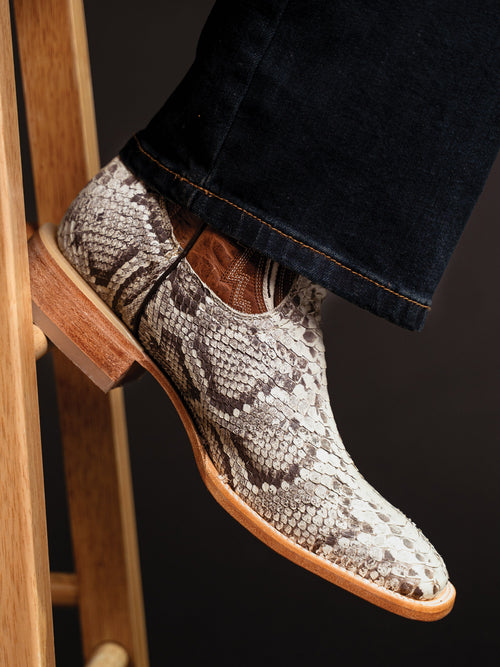
Python

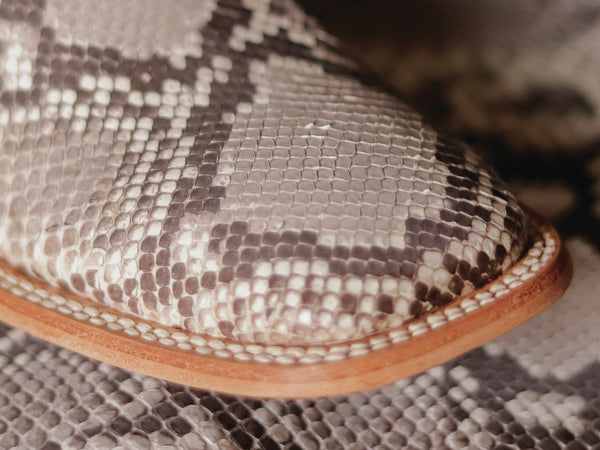
Python is prized for its sweeping natural markings, fine overlapping scales, and distinctive variations in color and pattern. Its intricate surface brings remarkable detail to the leather, with a fluid composition that gives each hide its own individual character. The result is an expressive exotic with unmistakable visual appeal and a pattern that cannot be replicated.

Caring for your boots

Python is prized for its bold, overlapping scale pattern and supple feel. Because the scales are thin and layered, gentle care helps them stay smooth and flat.

Clean

  • Remove dust with a soft brush or a dry microfiber cloth, using light strokes.
  • Always wipe in the direction the scales lie. Wiping against them can catch and lift the scale edges.
  • For dirt that won't brush off, wipe gently with a barely dampened cloth, then let the boots air dry at room temperature.
  • Never soak python or dry it with heat. Too much moisture or heat can cause the scales to curl and lift.

Condition

  • Every few months, depending on how often you wear them, apply a conditioner made for reptile or snakeskin leather. Conditioning keeps the scales flexible and less likely to dry out and lift.
  • Use a small amount on a soft cloth and work it in along the direction of the scales. Buff away any excess.
  • Test on a small, hidden area first, especially on dyed or printed python, since some products can change the color or finish.
  • Avoid heavy oils, waxes, and household cleaners.
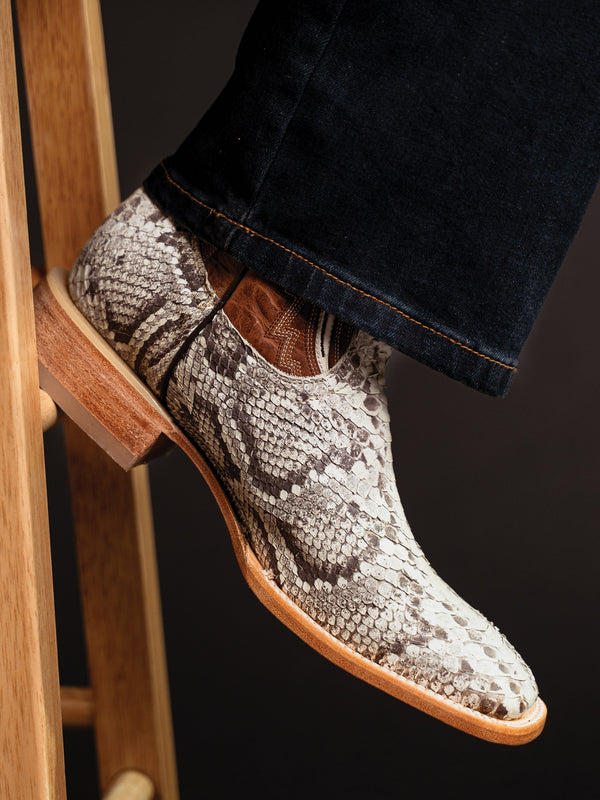
Rattlesnake Imprinted Python

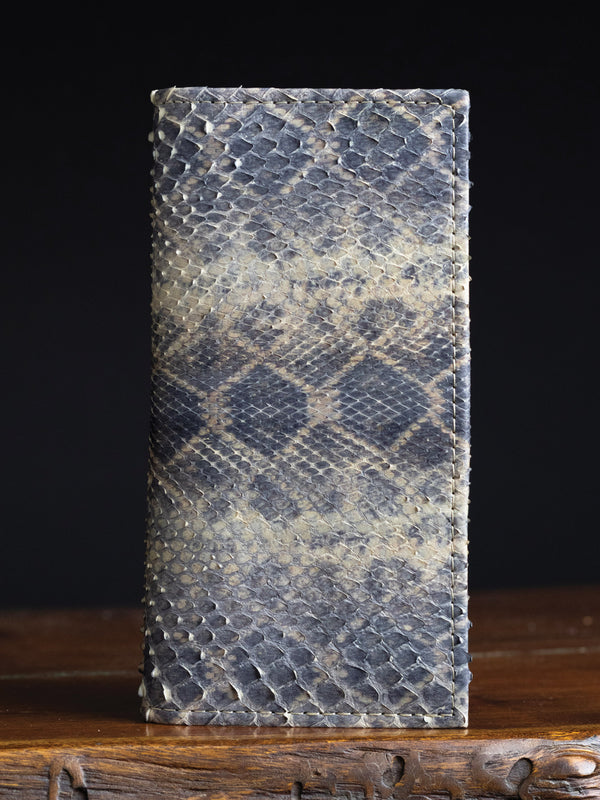
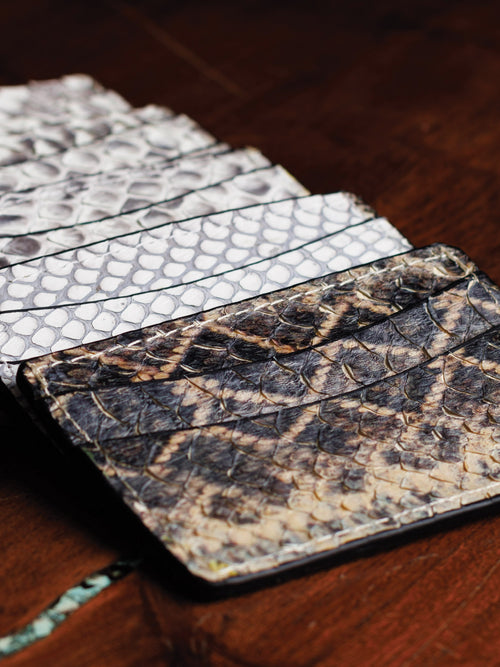
Genuine python leather is embossed with a diamondback rattlesnake-inspired pattern, combining natural snakeskin texture and flexibility with bold, high-contrast markings. The result is a distinctive exotic look with the wearability of genuine python.

Caring for your boots

Rattlesnake imprinted python is genuine python with a rattlesnake pattern applied to its surface. It has the soft, flexible scales of python, and the imprinted finish needs a gentle touch to stay crisp.

Clean

  • Remove dust with a soft cloth or soft brush, always moving in the direction of the scales. Brushing against them can lift the scale edges.
  • For dirt that won't brush off, wipe gently with a barely dampened cloth. Pat rather than rub, so the pattern doesn't wear.
  • Let the boots air dry at room temperature.
  • Never soak the boots or dry them with heat, and keep alcohol-based cleaners and solvents away from the finish.

Condition

  • Every few months, depending on how often you wear them, apply a conditioner made for snakeskin or reptile leather.
  • Use a small amount on a soft cloth and smooth it on in the direction of the scales.
  • Let it absorb, then buff very lightly.
  • Test on a small, hidden area first, and avoid polish, heavy oils, waxes and household cleaners.

Protect

  • If a scale starts to lift, don't pull or trim it. A reptile conditioner can often help it lie flat again. If it doesn't, take the boots to a professional boot repair shop.
  • Python fades faster than most leathers, so limit long exposure to direct sunlight.
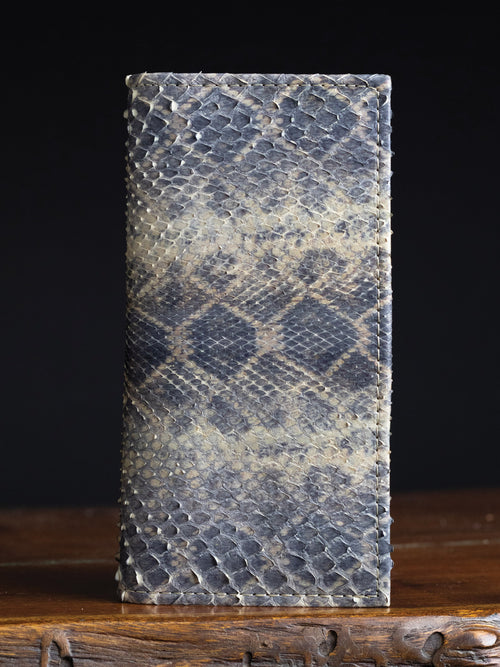
Rattlesnake

Rattlesnake is distinguished by its intricate diamond markings, fine scales, and distinctive natural coloration. Variations in pattern and tone give each hide its own character, creating a striking composition that cannot be replicated. With an unmistakable connection to western heritage, rattlesnake brings an authentic expression of the American West to every pair.

Caring for your boots

Rattlesnake is prized for its bold, natural diamond pattern, which makes every pair one of a kind. The skin is thin with finely layered scales, so gentle care keeps them smooth and flat and keeps the pattern vivid.

Clean

  • Remove dust with a soft brush or a dry microfiber cloth, using light strokes.
  • Always wipe in the direction the scales lie. Wiping against them can catch and lift the scale edges.
  • For dirt that won't brush off, wipe gently with a barely dampened cloth, then let the boots air dry at room temperature.
  • Never soak rattlesnake or dry it with heat. Too much moisture or heat can cause the scales to curl and lift.

Condition

  • Every few months, depending on how often you wear them, apply a conditioner made for reptile or snakeskin leather. Conditioning keeps the scales flexible and less likely to dry out and lift.
  • Use a small amount on a soft cloth and work it in along the direction of the scales. Buff away any excess.
  • Test on a small, hidden area first. Rattlesnake has a natural finish, and some products can darken the skin or dull the pattern.
  • Avoid heavy oils, waxes, and household cleaners.

Protect

  • If a scale starts to lift, don't pull or trim it. A reptile conditioner can often help it lie flat again. If it doesn't, take the boots to a professional boot repair shop.
  • Rattlesnake's natural pattern can fade with long sun exposure, so keep it out of direct sunlight when possible.

Pirarucu

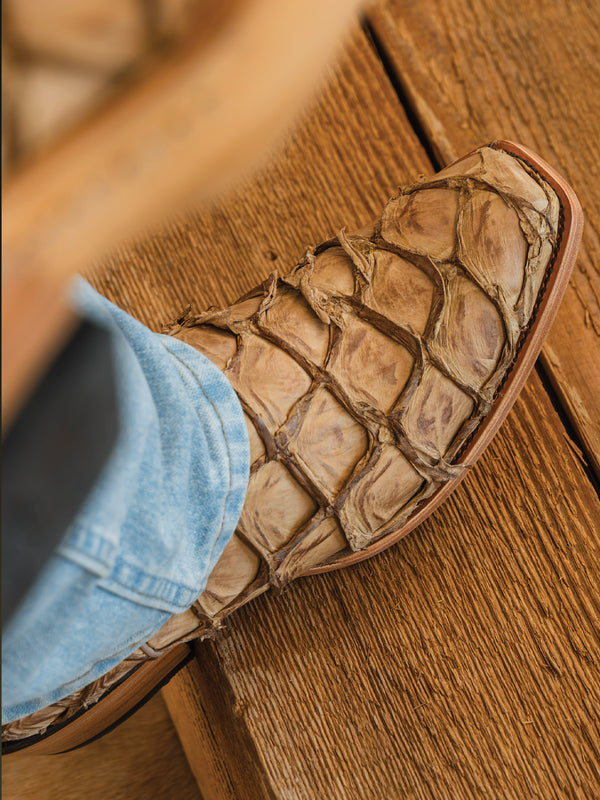
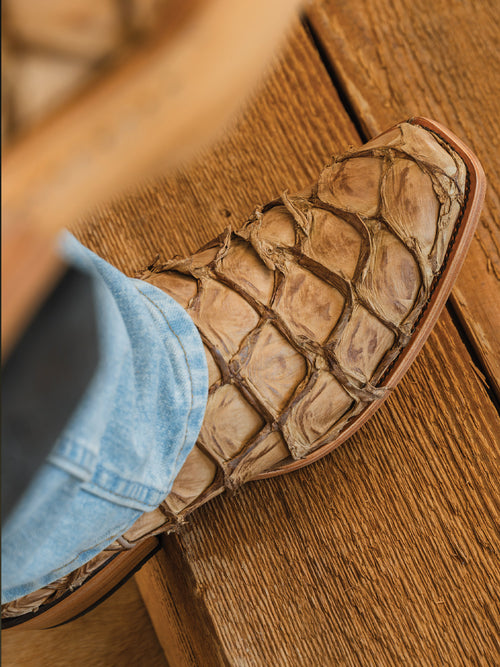
Pirarucu

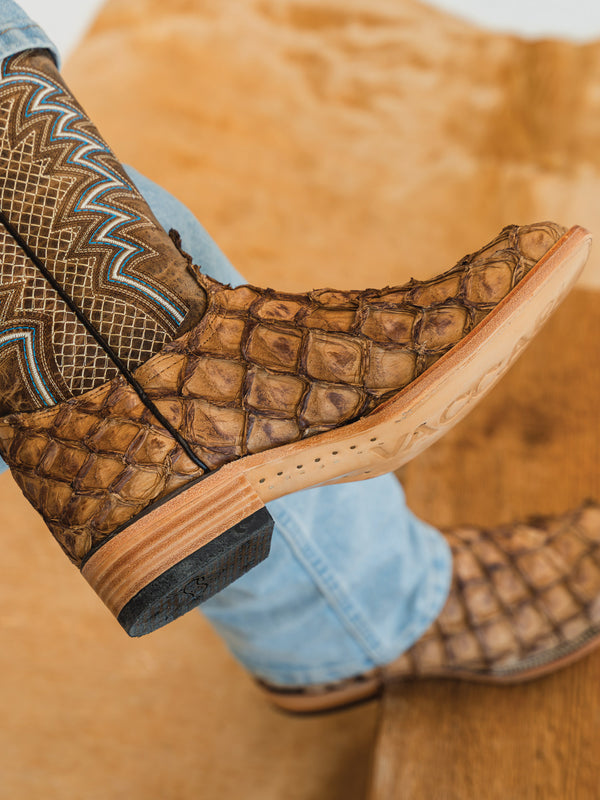
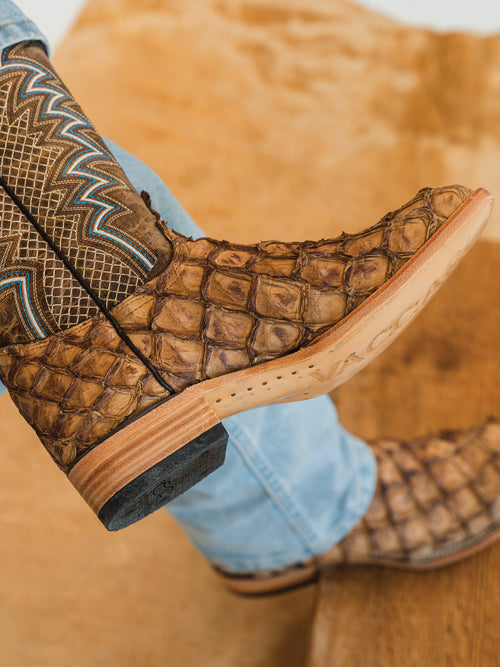
Pirarucu is distinguished by its exceptionally large, overlapping scales, creating a bold pattern with remarkable natural texture. The layered surface reveals depth and dimension, with individual contours that give each hide its own distinctive character. Its extraordinary scale pattern creates an unmistakable expression of exotic leather, bringing striking visual appeal to classic western design.

Caring for your boots

Pirarucu comes from one of the largest freshwater fish in the Amazon. Its bold, layered scale pattern is unlike any other exotic leather. It's naturally strong and flexible, and gentle care keeps its texture crisp and defined.

Clean

  • Remove dust with a soft-bristled brush, working in the direction the scales lie.
  • Pay extra attention to the scale pockets, where dirt and debris can collect. A soft brush or cotton swab works well there.
  • For dirt that won't brush off, wipe gently with a lightly dampened cloth, then let the boots air dry at room temperature.
  • Never soak pirarucu or dry it with heat. Both can cause the leather to stiffen and the scale edges to curl.

Condition

  • Every few months, depending on how often you wear them, apply a conditioner made for exotic leather.
  • Use a small amount on a soft cloth and work it in along the direction of the scales. Don't let product build up in the scale pockets, and buff away any excess.
  • Test on a small, hidden area first. Pirarucu comes in both glossy and matte finishes, and some products can darken the color or add unwanted shine to matte styles.
  • Avoid heavy oils, waxes, and household cleaners.

Leather & Suede

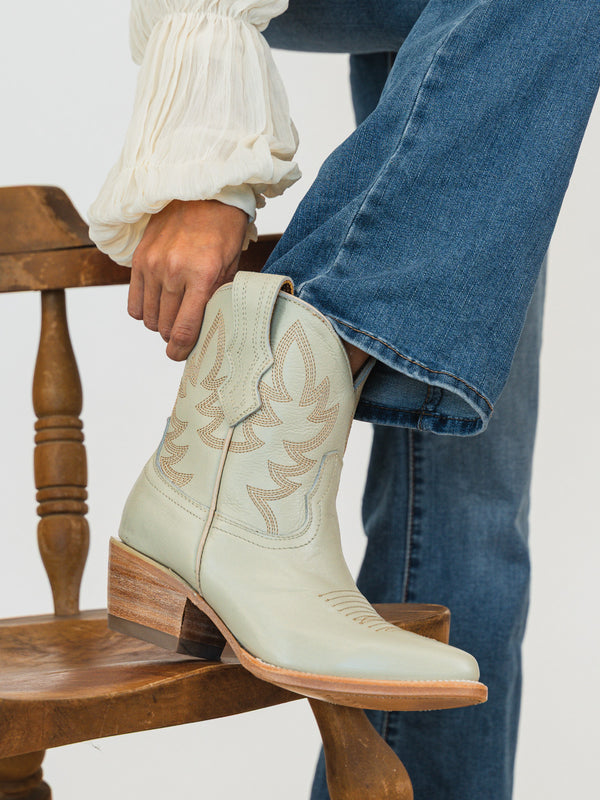
Full-Grain Leather

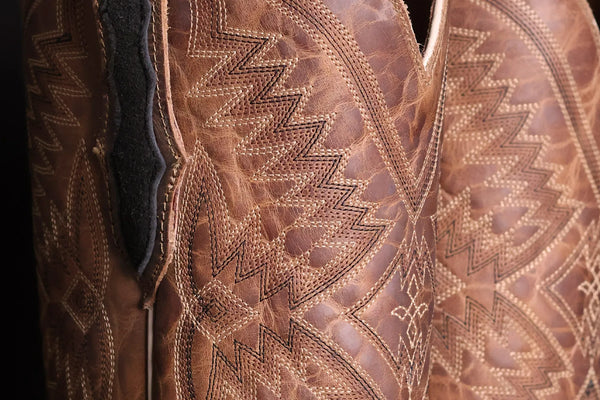
Preserving the natural character of the hide, this premium material offers a rich finish that develops depth and individuality with wear. Its natural texture and enduring appeal bring authentic western character to every pair.

Caring for your boots

Full-grain leather keeps the complete grain of the hide, so it's strong, breathable and develops a rich patina with wear. Regular cleaning and conditioning keep it supple and help it last for years.

Clean

  • Remove dust and dirt with a horsehair brush after wearing.
  • For dirt that won't brush off, wipe with a lightly dampened cloth, then let the boots air dry at room temperature.
  • If the boots get wet, blot them, stuff them with paper or insert cedar boot trees, and let them dry slowly away from heat.
  • Never dry leather with a hair dryer, heater or direct sunlight, which can cause it to crack.

Condition

  • Every few months, or whenever the leather looks dry, apply a leather conditioner with a soft cloth.
  • Let it absorb, then buff away any excess.
  • To cover scuffs and restore shine, follow with a cream polish matched to the color of your boots.
  • Test new products on a small, hidden area first, and avoid household cleaners.
Italian Goat

Caring for your boots

Italian goat leather is known for its soft hand, fine natural grain, and lightweight comfort. It's naturally resilient and scuff-resistant, and with regular care it develops a rich, lived-in character over time.

Clean

  • Remove dust and dirt with a soft horsehair brush after each wear.
  • For dirt that won't brush off, wipe gently with a lightly dampened cloth, then let the boots air dry at room temperature.
  • Never use heat to speed up drying. Heat can dry out the leather and cause cracking.

Condition

  • Every few months, depending on how often you wear them, apply a high-quality leather conditioner to keep the leather soft and supple.
  • Use a small amount on a soft cloth and work it in with gentle circular motions, paying extra attention to creases at the flex points. Buff away any excess.
  • Test on a small, hidden area first, since some products can darken the color.
  • Avoid heavy oils, waxes, and household cleaners.
Suede

Caring for your boots

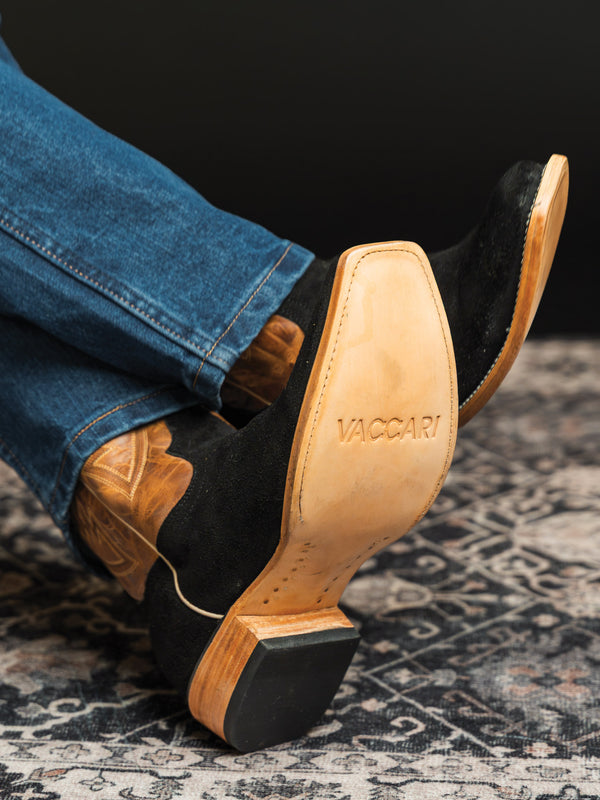
Suede has a soft, velvety texture (called the nap) that gives it its rich look and feel. Regular brushing and a little protection keep it looking fresh and even.

Protect

  • Before the first wear, apply a suede protector spray. Test it on a small, hidden area first, and let it dry completely before wearing.
  • Reapply every few months, or after cleaning, to help repel water and stains.
  • Avoid wearing suede in rain, snow, or wet grass when you can.

Clean

  • Brush regularly with a suede brush, using light strokes in one direction to lift dirt and restore the nap.
  • For scuffs and dry marks, rub gently with a suede eraser, then brush to smooth the nap.
  • For oil or grease spots, blot right away. Then cover the spot with cornstarch, let it sit overnight to absorb the oil, and brush it off.
  • Don't use water, soap, or household cleaners, which can stain and stiffen suede.

Have a question about caring for your boots? Contact us and we'll help.